 Brain Model
Map 47 – Myth: Erasable Memory
Why memories cannot be erased – and what reconsolidation actually means
Anatomically and biochemically
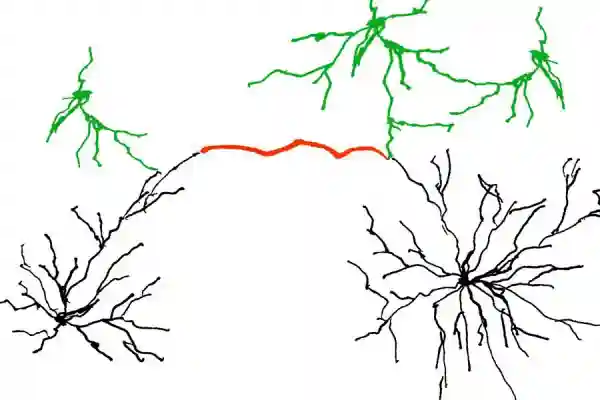
The myth of the erasable memory states: what has been forgotten or repressed is gone. Or: with the right technique, traumatic memories can be deleted. Neither is correct. Memory is neurobiologically not a storage device from which content can be deleted. Memories are distributed, synapse-based activation patterns. They are not erased – they are modified.
This process is called reconsolidation. Every time the hippocampus retrieves a memory, it is destabilised. Within this window – the reconsolidation window (approximately 4–6 hours after retrieval) – the memory can be modified: new information, new context, new emotional valence are integrated. The memory is then re-stored – in modified form. This is not erasure. It is an overwriting of the context.
What can reconsolidation achieve? The emotional valence of a memory can change. The amygdala marking can be attenuated. The context can be expanded. The experience of the memory changes – but the episodic core (the event itself) remains accessible. What reconsolidation cannot do: complete removal of the episodic memory.
Examples from everyday life
- Therapy modifies, does not erase: Successful therapy changes the emotional valence of memories via reconsolidation – not through deletion.
- New context information: When a memory is supplied with new context during the reconsolidation window, its emotional charge changes.
- Repression is not deletion: Repressed memories are not gone – they are not retrievable in explicit memory but remain active in implicit memory.
- Overwriting the context: The hippocampus re-stores the same episode when sufficient new material is available. The core stays, the frame changes.
- Emotional attenuation over time: Time alone does not attenuate amygdala marking. What attenuates it is reactivation with changed context.
What this card does not say
This card explains the mechanism of memory reconsolidation. It does not describe a clinical treatment approach. This card is not a diagnostic tool and not a treatment guide.